Tracing Daily Rhythm Impacts on Tactical Choices in App-Driven Card Sequences Linked to Transaction Security Protocols
Leon Braun · Aug 22, 2026
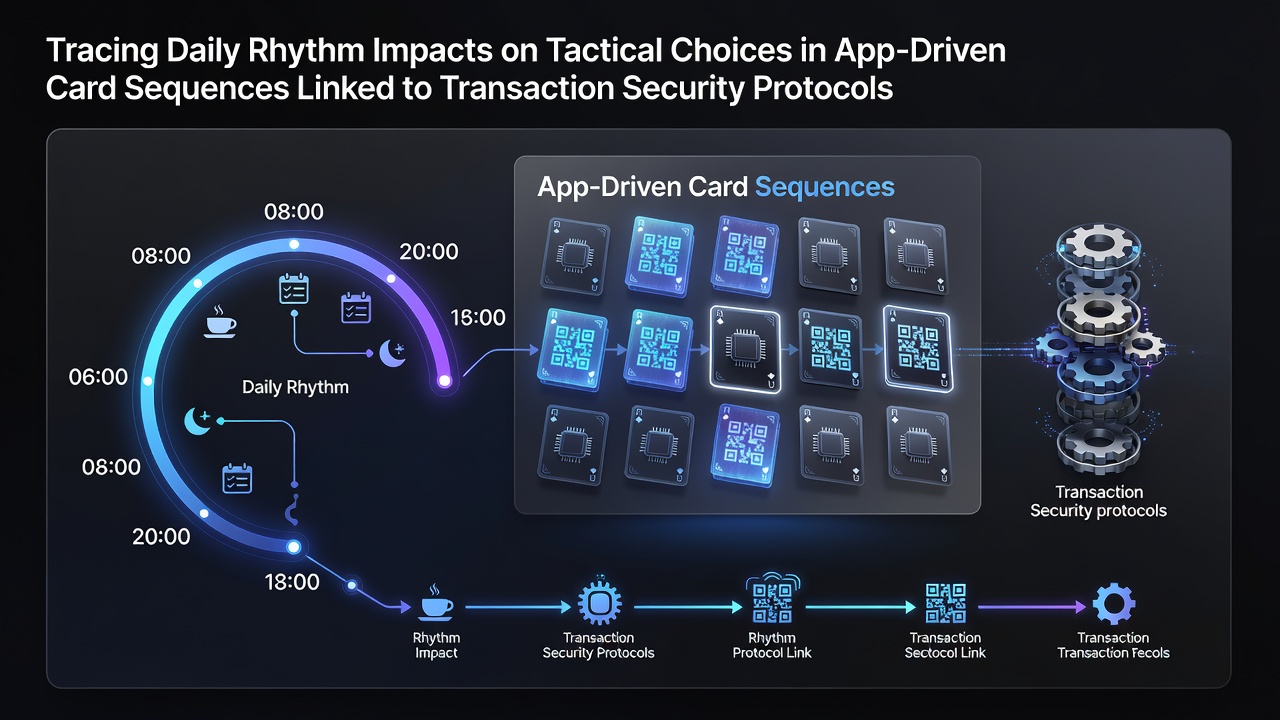
Tracing Daily Rhythm Impacts on Tactical Choices in App-Driven Card Sequences Linked to Transaction Security Protocols
Researchers have tracked how circadian cycles shape player selections during app-based card sequences, where timing of bets and holds intersects with layered authentication steps in transaction systems, and studies from multiple regions document shifts in risk thresholds between morning and evening windows. Data collected through 2025 into mid-2026 reveals consistent peaks in conservative play during early daylight hours, while later segments show elevated willingness to pursue extended sequences when security prompts require multi-factor confirmation.
Circadian Patterns in Sequence Decisions
App logs analyzed by academic teams indicate that users initiate card sequences with different aggression levels depending on the hour, and those patterns align with established sleep-wake research rather than random variation. Morning sessions frequently feature shorter runs and quicker exits after modest gains, whereas post-dusk activity stretches longer even when cumulative losses mount. Observers note that transaction security protocols, including real-time fraud scoring, register fewer interruptions during these extended evening blocks because user behavior remains within expected velocity ranges for each account.
Security Protocol Responses Across Time Zones
Transaction systems employed by major platforms adjust verification thresholds dynamically, and reports from the New Jersey Division of Gaming Enforcement document how evening authentication requests sometimes trigger additional biometric checks when sequence velocity exceeds daytime baselines. Meanwhile, Australian regulatory summaries highlight similar adjustments during late-night windows, where automated monitoring flags rapid deposit-withdraw cycles that rarely appear before noon. These adaptations occur because platforms correlate user rhythm data with transaction histories to maintain protocol integrity without disrupting flow for verified accounts.
Integration of Payment Timing and Tactical Shifts
Payment initiation timestamps provide another data layer, and industry analyses show that users who complete deposits near their personal circadian peaks tend to maintain steadier bet sizing across card sequences. In contrast, off-peak funding events coincide with more abrupt tactical changes once play begins. One study released in early 2026 examined thousands of sessions and found that security protocols incorporating time-of-day weighting reduced false positives on legitimate evening activity by measurable margins compared with static models.
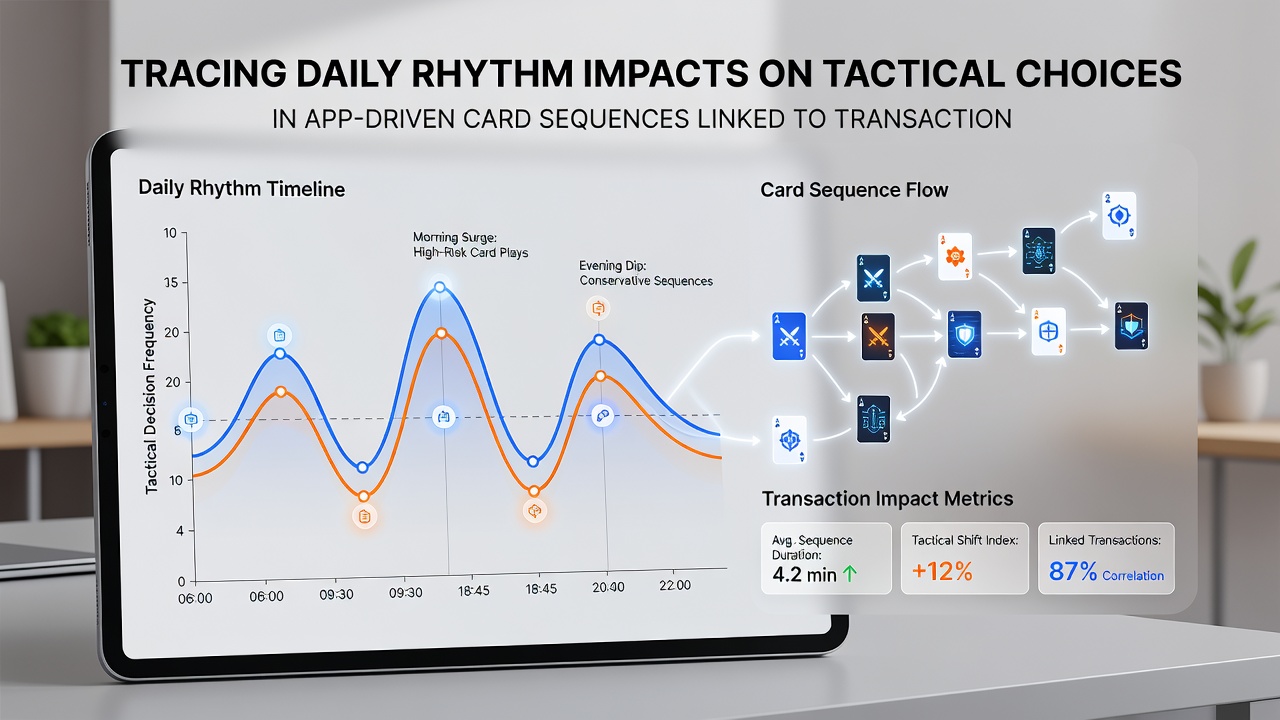
Platforms have begun embedding rhythm-aware analytics into their core engines, and this allows security layers to anticipate when a user might deviate from established patterns without requiring manual intervention. European research groups tracking similar metrics across several member states report parallel findings, where afternoon lulls in activity correlate with simpler single-step verifications while overnight periods activate graduated protocols. Those who've studied the datasets emphasize that the linkage between daily rhythm and transaction security remains correlational rather than causal, yet the statistical associations hold across large sample sizes.
Regional Data Comparisons Through Mid-2026
Figures compiled through August 2026 continue to show geographic variation in these rhythms, with North American datasets reflecting stronger evening extensions and certain Asian markets displaying earlier stabilization points. Regulatory updates from the Malta Gaming Authority note that operators incorporating rhythm signals into security frameworks experienced fewer session abandonments during verification steps. Academic papers presented at gaming technology conferences have outlined frameworks for testing these integrations at scale, focusing on privacy-compliant aggregation rather than individual profiling.
Developers continue refining the models that connect sequence timing to payment authentication, and the result is smoother handoffs between tactical phases and security gates. Evidence from ongoing platform trials indicates that rhythm-adjusted thresholds preserve both compliance standards and user continuity across card sequences, without introducing new friction points at peak decision hours.
Conclusion
Available records demonstrate measurable connections between daily rhythm variations and the tactical adjustments users make within app-driven card sequences, alongside corresponding responses from transaction security protocols. Continued monitoring across regulatory jurisdictions and research institutions will clarify how these relationships evolve as platforms refine their time-sensitive analytics.