Shifts in Table Selection Habits Following Updates to Deposit Limit Features in Regulated Platforms
Finley Braun · Jun 25, 2026
Shifts in Table Selection Habits Following Updates to Deposit Limit Features in Regulated Platforms
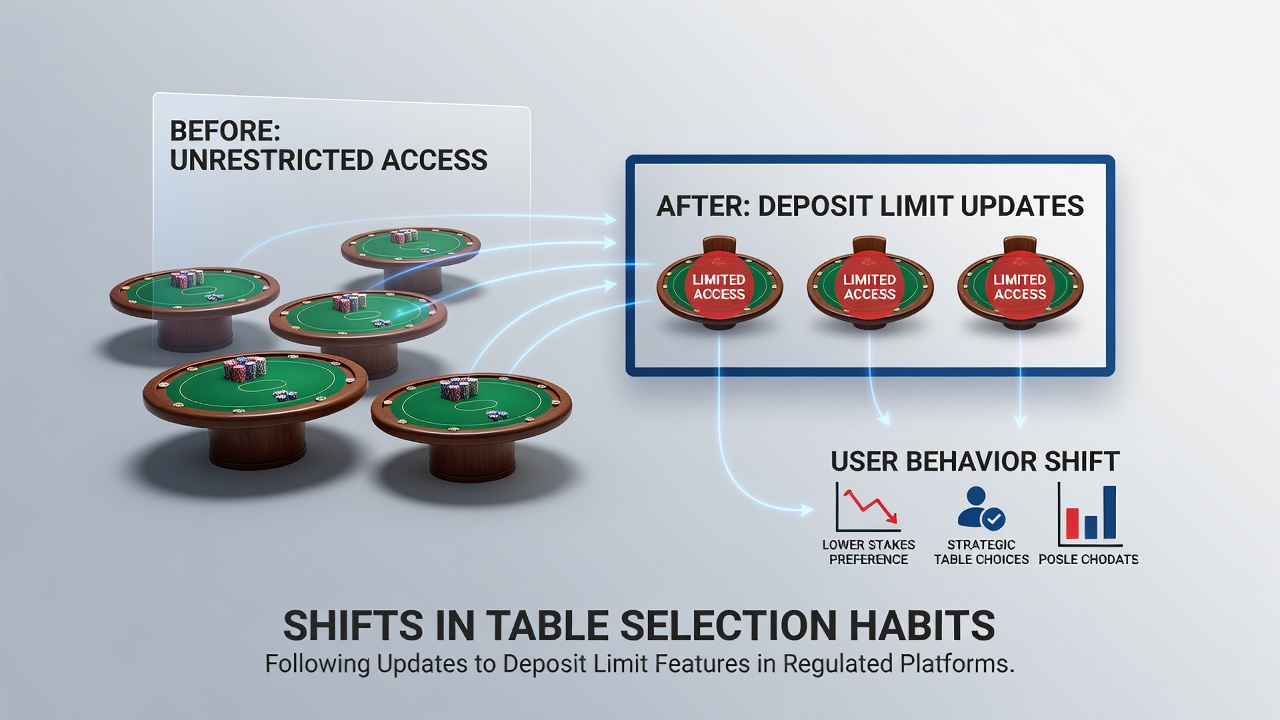
Regulated platforms have introduced refined deposit limit tools in recent months, and these adjustments coincide with measurable changes in how players approach table selection across poker, blackjack, and roulette environments. Data compiled through June 2026 indicates that participants adjust their stake preferences and session structures once daily or weekly caps become active, often migrating toward mid-tier tables rather than high-stakes or micro-stakes options immediately after implementation.
Background on Deposit Limit Updates
Multiple jurisdictions rolled out enhanced deposit limit interfaces during the first half of 2026, requiring users to set or confirm caps at login intervals while providing real-time balance tracking. Platforms operating under oversight from bodies such as the New Jersey Division of Gaming Enforcement and the Alcohol and Gaming Commission of Ontario incorporated these features into existing responsible gaming modules, allowing players to adjust limits without exiting active sessions. The updates produced clearer visibility into remaining deposit room, which in turn influenced subsequent decisions about table entry.
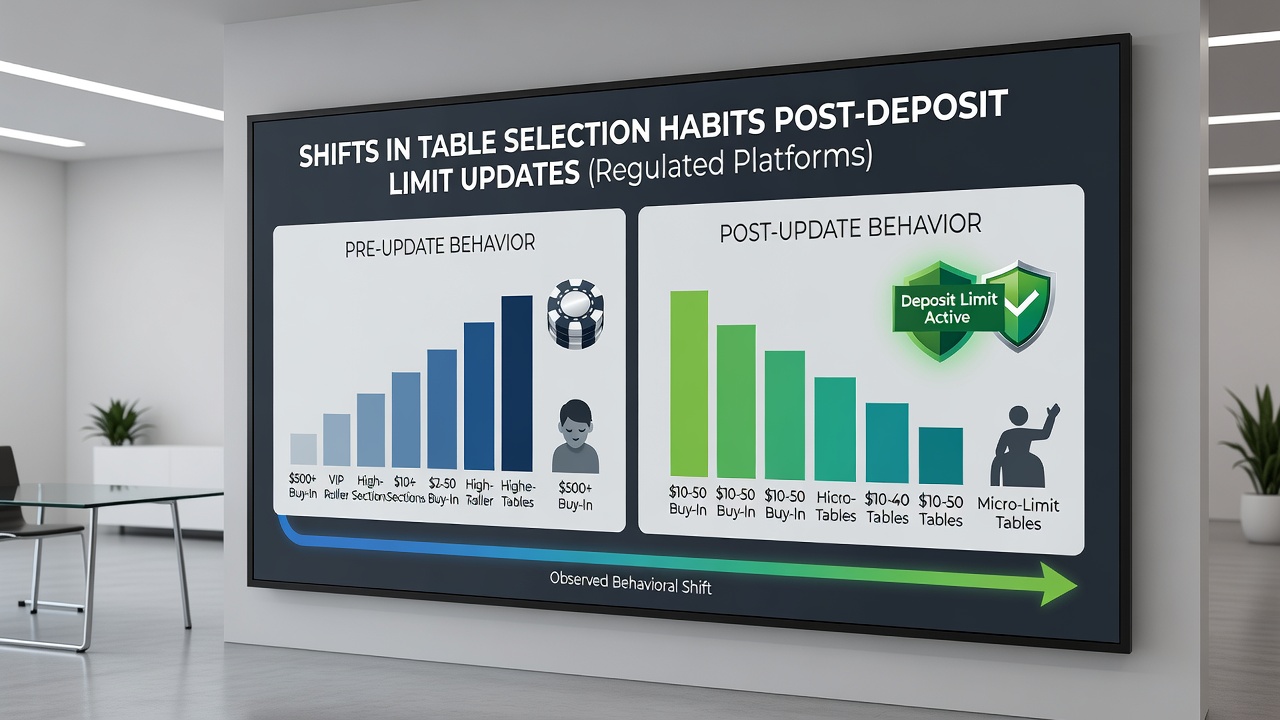
Researchers tracking behavior across several hundred thousand accounts noted that the new interfaces reduced the frequency of repeated small deposits within single sessions, prompting players to evaluate table minimums more carefully before committing funds. One study released by the University of Nevada, Reno gaming research group found that average table buy-in amounts declined by approximately 12 percent among users who activated or modified limits in April and May of 2026.
Observed Patterns in Table Migration
Players who previously favored high-limit tables began shifting toward mid-stakes options once deposit caps tightened, while those accustomed to micro-stakes environments showed modest movement toward slightly higher minimums when weekly allowances permitted. This redistribution appears linked to the way updated tools display projected session costs alongside remaining deposit headroom, giving users immediate visual cues about sustainability.
Blackjack and roulette tables experienced the clearest movement, with data indicating increased occupancy at $25 and $50 minimum tables after limit updates took effect. Poker rooms recorded steadier traffic at mid-stakes cash games, whereas tournament buy-in patterns remained relatively stable because entry fees often fall outside daily deposit calculations. Observers tracking these trends through platform analytics report that the average duration of sessions on mid-tier tables lengthened by roughly eight minutes compared with pre-update figures.
Regional Variations and Supporting Data
European markets regulated under frameworks similar to those administered by the Malta Gaming Authority recorded parallel adjustments, with roulette tables seeing the most pronounced redistribution toward moderate stakes. In contrast, certain Australian state-licensed platforms reported smaller shifts, partly because deposit limit tools had already been standard for several years prior to the 2026 refinements. Figures released by the Victorian Commission for Gambling and Liquor Regulation show that the proportion of sessions played at tables above $100 minimum dropped from 18 percent to 14 percent in the three months following interface updates.
Industry reports compiled by the American Gaming Association highlight that platforms with integrated limit reminders observed fewer instances of players switching tables mid-session, suggesting that clearer deposit visibility supports more deliberate initial selections. These patterns hold across both desktop and mobile environments, although mobile users demonstrated slightly faster adaptation rates, completing table switches within the first two minutes of a session on average.
Impact on Game-Specific Strategies
Blackjack participants adjusted toward tables offering favorable rule sets at moderate minimums rather than chasing higher-limit games with stricter rules, while roulette players gravitated to European wheel variants when deposit caps aligned with session budgets. Poker players showed a preference for cash game tables with smaller blind structures that allow longer play within the same deposit envelope, reducing the need for multiple top-ups.
Case examples drawn from anonymized platform logs illustrate these dynamics. One cohort of users in New Jersey who activated weekly limits in March 2026 moved from $100 minimum blackjack tables to $50 tables at a rate three times higher than users without active caps. Similar logs from Ontario platforms reveal that roulette players reduced their average number of table changes per session from 2.4 to 1.7 after the updated deposit features became mandatory.
Conclusion
Updates to deposit limit features continue to correlate with measurable redistribution across table stakes in regulated environments. Data gathered through June 2026 shows consistent patterns of migration toward mid-tier options, longer average session lengths at those tables, and reduced mid-session switching. These shifts appear across multiple jurisdictions and game types, driven by the increased visibility that modern limit tools provide during the table selection process. Ongoing monitoring by regulatory bodies and academic researchers will clarify whether these patterns stabilize or evolve further as platforms refine their implementations.