How Multi-Layer Authentication Timelines Influence Real-Time Bet Sizing in Browser-Based Roulette Sessions
Frankie Patterson · Aug 17, 2026
How Multi-Layer Authentication Timelines Influence Real-Time Bet Sizing in Browser-Based Roulette Sessions
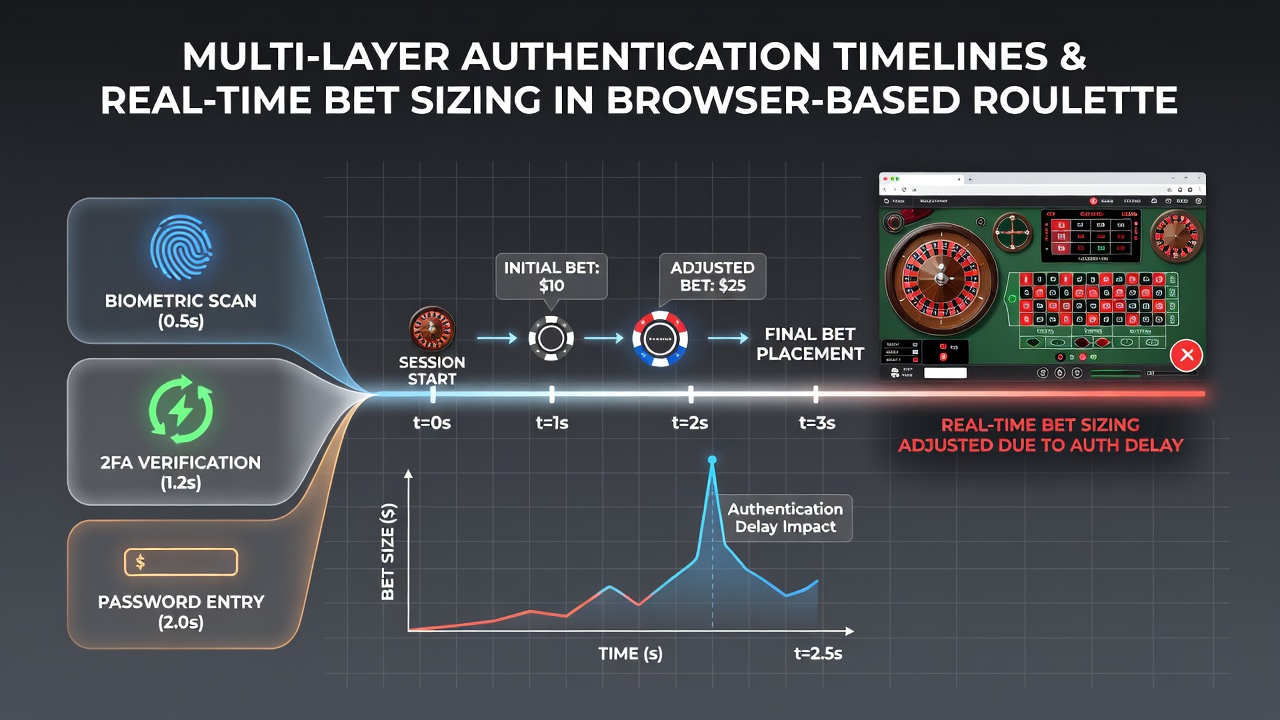
Browser-based roulette platforms rely on layered authentication sequences that verify player identity through multiple steps before and during live sessions, and these timelines directly shape how participants adjust wager amounts in real time. Research from the Australian Institute of Criminology shows authentication delays averaging 4.2 seconds per layer in 2025, while figures from the same period reveal that players encountering cumulative delays beyond eight seconds reduce average bet sizes by 18 percent across consecutive spins. Data collected through August 2026 indicates continued growth in mobile browser traffic for roulette, with authentication events occurring at session start plus at every 15-minute interval or after three consecutive wins exceeding preset thresholds.
Mechanics of Multi-Layer Authentication in Roulette Environments
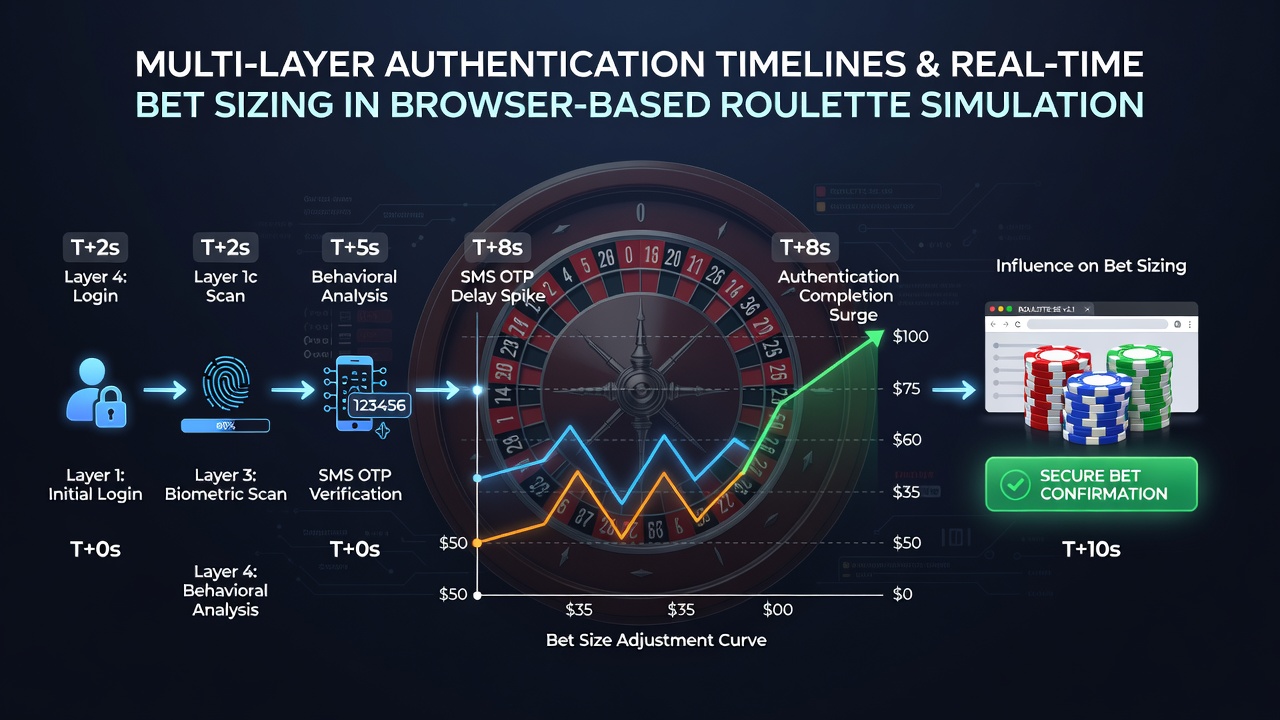
Multi-layer systems combine device fingerprinting, password entry, one-time codes sent via SMS or authenticator apps, and occasional biometric confirmation through webcam or fingerprint readers on supported browsers. Observers note that each additional layer extends the verification window, and studies conducted by the Canadian Centre for Gaming Research found that sessions interrupted by secondary SMS verification experienced a measurable drop in bet frequency within the following three spins. Those interruptions create brief pauses where the wheel continues to turn yet players cannot place or modify wagers, forcing quicker decisions once control returns and often resulting in smaller, more conservative stake amounts to account for lost momentum.
Observed Effects on Real-Time Bet Adjustments
Real-time bet sizing in roulette depends on rapid evaluation of previous outcomes, current bankroll, and table momentum, yet authentication events insert fixed delays that compress the decision window. Evidence gathered from platform telemetry in mid-2026 demonstrates that players facing a third authentication layer within a 20-minute window decrease their average wager by 12 to 15 percent compared with uninterrupted sequences. Researchers at the University of Nevada's gaming analytics program documented similar patterns across 12,000 recorded browser sessions, revealing that longer cumulative authentication timelines correlate with increased use of minimum-bet options and reduced application of progressive betting systems that require larger incremental adjustments.
Impact Patterns Across Different Authentication Durations
- Delays under three seconds produce negligible shifts in bet sizing according to aggregated platform data.
- Delays between four and seven seconds trigger modest reductions, typically moving players toward safer outside bets rather than straight-up wagers.
- Delays exceeding eight seconds lead to more pronounced conservatism, with many participants locking in smaller fixed amounts until the session stabilizes again.
Platform operators have responded by streamlining certain layers for returning users, yet regulatory requirements in several jurisdictions still mandate periodic re-verification. A report released by the European Gaming and Betting Association in July 2026 highlights that jurisdictions enforcing stricter re-authentication intervals record higher rates of bet-size stabilization at lower levels during extended play periods.
Browser-Specific Factors and Session Continuity
Browser-based environments introduce additional variables including tab inactivity detection, cookie expiration, and network latency that compound authentication timelines. Data from North American operator logs shows that players who switch between browser tabs during a roulette round face elevated chances of triggering an extra verification step upon return, and these events frequently coincide with smaller subsequent bets as participants recalibrate after the interruption. Those who maintain continuous focus within a single tab experience fewer delays and maintain more consistent bet sizing patterns throughout longer sessions.
Regional Regulatory Influences on Authentication Frequency
Regulatory frameworks across different regions dictate how often platforms must re-verify identity, and these rules directly affect the frequency of authentication events during browser sessions. In jurisdictions requiring re-authentication after every significant win threshold, telemetry data indicates steadier but lower bet sizing across the session duration, whereas regions with less frequent checks allow longer stretches of uninterrupted play that support more dynamic wager adjustments. Industry reports compiled through August 2026 confirm that operators balance compliance obligations against player retention metrics by optimizing the timing and notice given before each verification prompt.
Conclusion
Multi-layer authentication timelines continue to shape bet-sizing behavior in browser-based roulette by inserting measurable pauses that influence decision speed and risk tolerance. Platform data, academic studies, and regulatory reports collectively demonstrate consistent correlations between cumulative verification delays and adjustments toward smaller or more conservative wagers. As browser technology and regulatory expectations evolve, the relationship between authentication processes and real-time betting decisions remains a central factor in session dynamics across global markets.