How Cross-Border Data Protocols Shape Participation Trends in Virtual Reel Platforms
Leon Braun · Jul 16, 2026
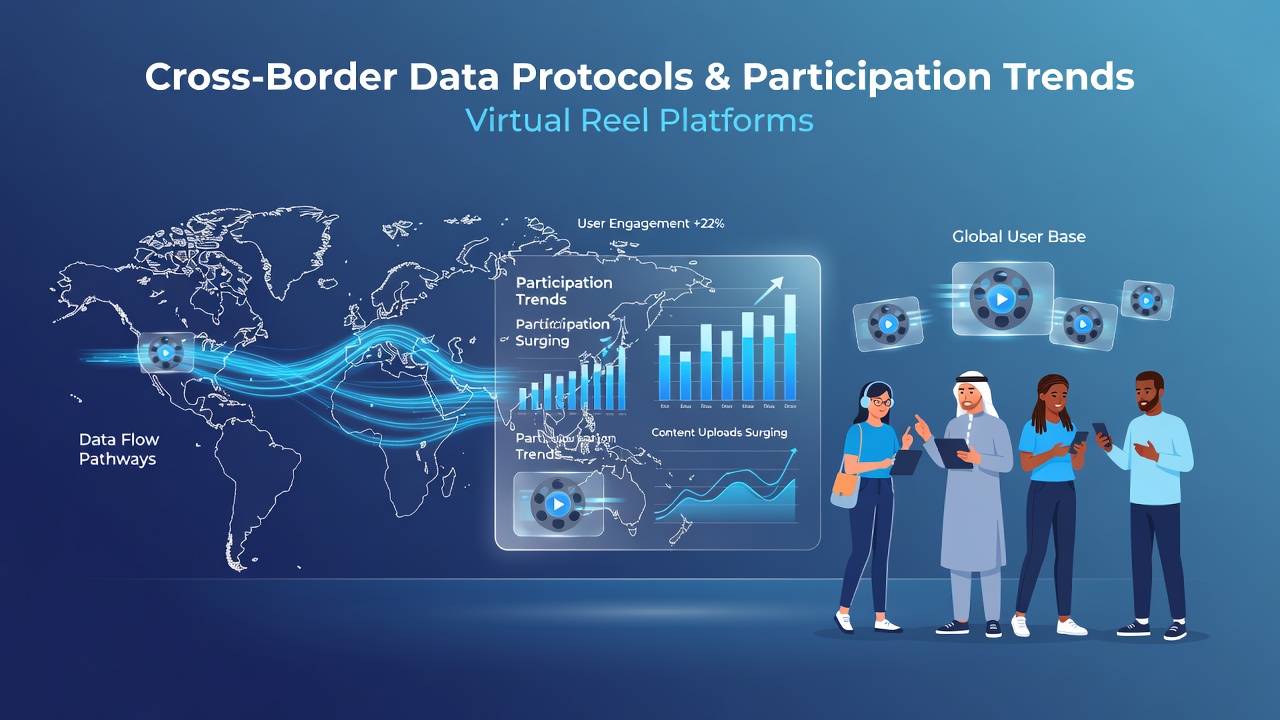
How Cross-Border Data Protocols Shape Participation Trends in Virtual Reel Platforms
Cross-border data protocols establish the rules that govern how user information moves between countries and these frameworks directly influence who joins virtual reel platforms and how often they participate. Virtual reel platforms rely on continuous data exchange for account verification, payment processing, and game delivery, so restrictions or allowances in data transfer alter access patterns across different markets.
Core Elements of Cross-Border Data Protocols
Protocols such as adequacy decisions, standard contractual clauses, and data localization requirements set the terms for moving personal and financial data outside national borders. When one jurisdiction recognizes another as adequate, platforms can transfer data with fewer barriers, which expands the pool of eligible users from that region. In contrast, strict localization rules force companies to store data domestically and this setup often raises operational costs that get passed along through limited service availability or slower transaction speeds.
Researchers tracking these mechanisms note that participation rates shift noticeably once new clauses take effect. For instance, platforms that secure approved transfer mechanisms see increased sign-ups from users in countries with previously restricted data flows, while those without such approvals experience plateaus or declines in engagement metrics.
Regional Differences in Protocol Application
Europe maintains a unified approach through its data protection framework that requires explicit safeguards for transfers to non-European servers. Platforms operating across EU member states must document every data movement and this documentation process influences which virtual reel titles they promote to users in different countries. Observers have recorded higher retention among European users when platforms demonstrate compliance through transparent data handling practices.
Asia-Pacific markets apply a mix of localization mandates and bilateral agreements. Countries with emerging digital economy laws often tie data export permissions to economic partnerships, creating uneven participation landscapes. Data compiled by the OECD shows that regions with streamlined transfer protocols report steadier month-over-month growth in virtual reel activity compared to areas enforcing rigid storage requirements.
Impact on User Participation Patterns
Participation trends reflect the friction or ease created by these protocols. Users in jurisdictions with seamless data exchange enjoy quicker registration and deposit processes, which correlates with higher session frequencies. When protocols introduce delays through additional verification layers, drop-off rates climb during the onboarding stage. Analysts examining platform logs find that regions experiencing protocol updates in early 2026 displayed measurable changes in average session length within weeks of implementation.
Payment data forms another critical layer. Cross-border rules governing financial information determine which deposit methods platforms can offer, and limited options reduce convenience for users who prefer certain local banking systems. In July 2026 several platforms adjusted their supported regions after new transfer agreements took effect, resulting in expanded access for users previously blocked by data routing restrictions.
Technical Adaptations by Platform Operators
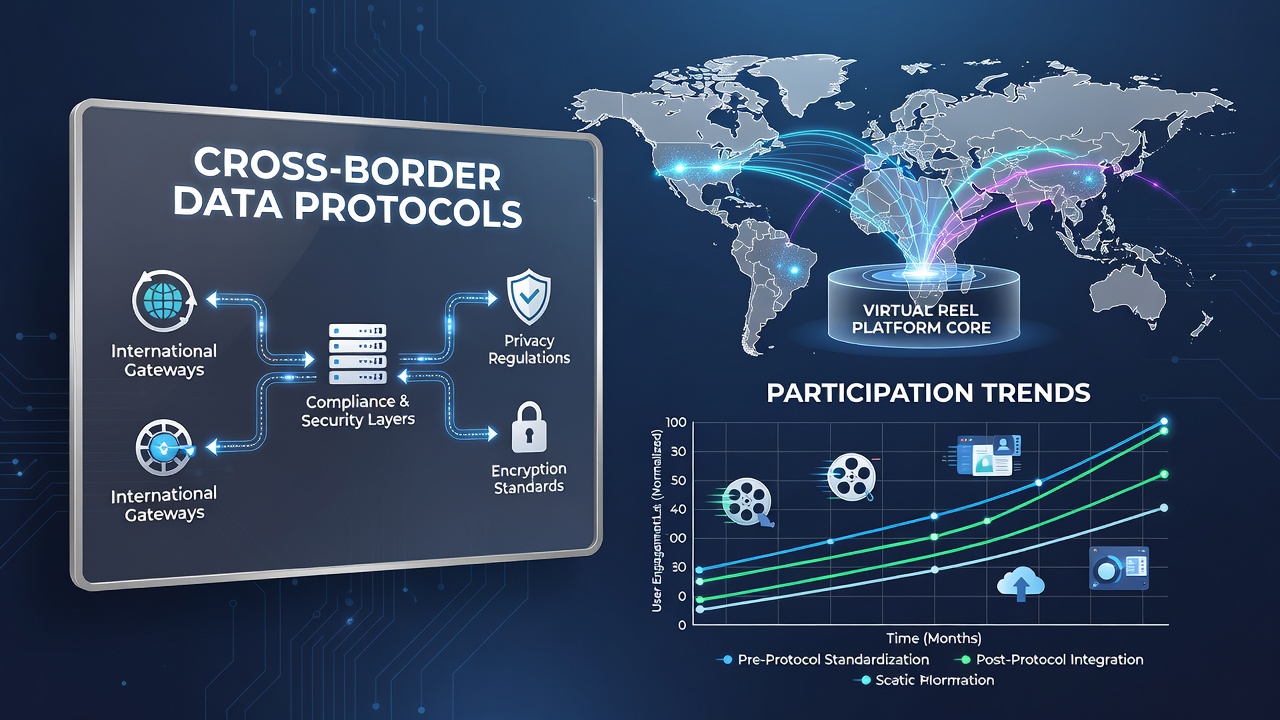
Operators respond to protocol variations by deploying regional data centers and segmented user databases. These technical choices allow continued service while meeting local storage demands, yet they also fragment user experiences across borders. Participants notice differences in game libraries and promotional offers depending on their location, because platforms tailor content to comply with the strictest applicable rules in each market.
Studies from research institutions indicate that platforms investing in protocol-compliant infrastructure maintain steadier participation curves even when regulations tighten. Those slower to adapt encounter temporary dips in active accounts until systems realign with new transfer standards.
Future Trajectory of Participation Trends
As more countries refine their data transfer rules, virtual reel platforms continue to recalibrate their geographic strategies. Participation will likely concentrate in areas where protocols align most closely with efficient data movement, while markets with persistent barriers see slower adoption. Industry reports highlight that ongoing negotiations between regulatory bodies could further standardize certain transfer mechanisms and thereby reduce current disparities in user engagement.
Conclusion
Cross-border data protocols function as gatekeepers that determine the reach and rhythm of virtual reel platform participation. Their evolving requirements shape everything from registration ease to payment availability and regional content offerings. As frameworks update through 2026 and beyond, the resulting participation patterns will mirror the balance each jurisdiction strikes between data control and cross-border connectivity.