How Biometric Verification Alters Decision Patterns in App-Based Poker Tournaments
Freya Weber · Jun 8, 2026
How Biometric Verification Alters Decision Patterns in App-Based Poker Tournaments
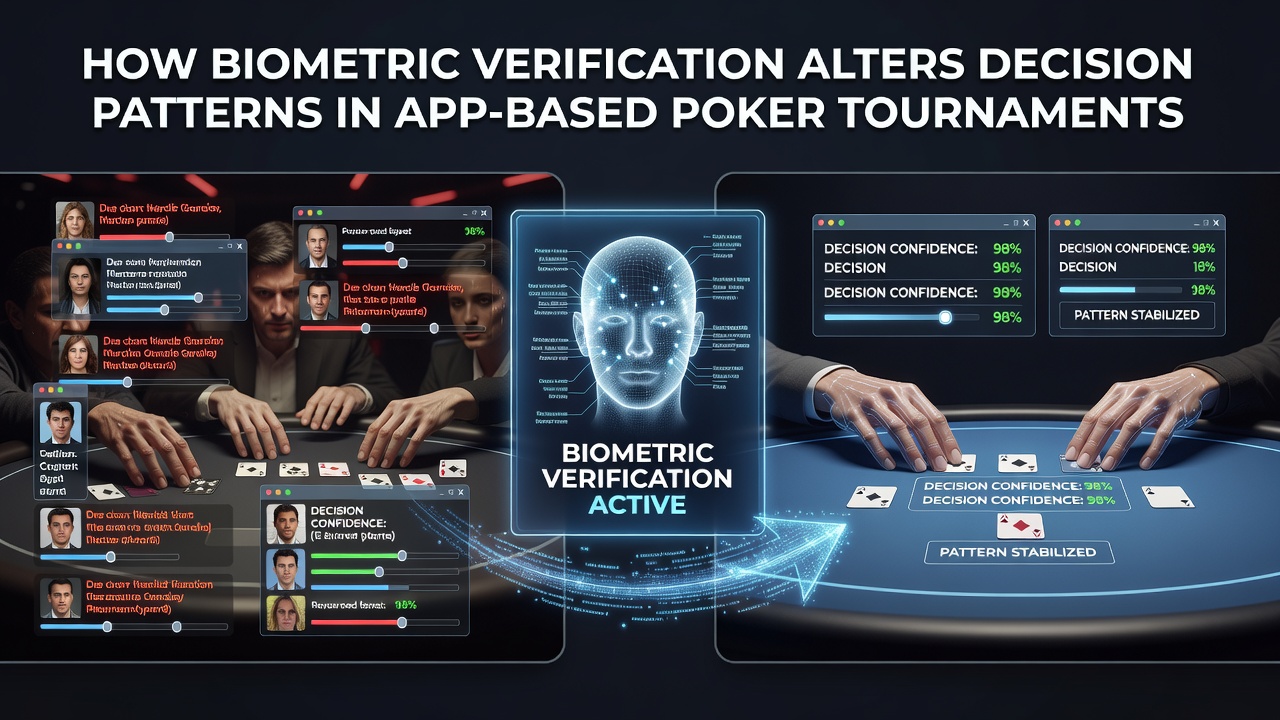
Biometric verification systems now integrate directly into app-based poker platforms where players complete facial scans or fingerprint checks before entering tournaments and during key decision points, and this setup connects identity confirmation with gameplay flow in ways that shift how participants approach betting choices and risk assessment. Developers embed these tools to meet regulatory standards while creating seamless logins that replace traditional passwords, yet the added layer of real-time authentication influences player behavior by requiring brief pauses that interrupt rapid-fire decisions common in fast-fold formats.
Integration of Biometric Tools in Tournament Environments
App developers rolled out biometric features across major poker platforms throughout 2025 and into 2026, with several operators reporting adoption rates above 70 percent among active users in North American markets. These systems prompt verification at tournament registration, when players reach final tables, and occasionally after extended sessions to confirm continued account control, and data from platform analytics shows that these checkpoints correlate with measurable changes in bet sizing patterns and fold frequencies. Players who encounter the verification step mid-tournament often adjust their aggression levels in subsequent hands, according to internal metrics shared by multiple app providers.
Regulatory bodies such as the Nevada Gaming Control Board have outlined requirements for identity assurance in online gaming applications, and similar guidelines from the Australian Communications and Media Authority emphasize secure authentication methods that reduce account sharing. Observers note that these rules encourage poker apps to layer biometrics into existing security protocols, which in turn creates structured pauses that give players extra seconds to reconsider impulsive calls or raises.
Observed Shifts in Player Decision Patterns
Studies conducted by research teams at institutions including the University of Nevada, Reno examined session data from thousands of app-based poker tournaments and found that biometric-verified accounts displayed lower rates of all-in confrontations during early stages compared with non-verified sessions. The verification process appears to anchor players more firmly to their established strategies because the identity confirmation reinforces personal accountability, and participants who complete the scan tend to maintain tighter ranges when facing uncertain board textures. Platform logs further indicate that re-entry decisions after bust-outs decrease slightly once biometrics become mandatory, suggesting a cooling effect on emotional responses that previously drove repeated buy-ins.
One analysis of June 2026 tournament traffic revealed that apps enforcing mid-session facial verification recorded a 12 percent drop in chase bets during high-pressure final table scenarios, while average time per decision increased by roughly four seconds in verified environments. These patterns hold across different stake levels, though the effect appears stronger in mid-stakes events where recreational players mix with professionals. Experts tracking these metrics emphasize that the changes stem from procedural friction rather than any direct alteration of game rules.
Security Features and Their Influence on Risk Assessment
Biometric systems add layers of fraud prevention that extend beyond simple login protection, and this added security reduces concerns about multi-accounting or collusion that once influenced cautious playstyles. When players trust the verification process to maintain game integrity, they allocate more mental resources to pure strategic calculations instead of monitoring for potential cheaters, and this shift manifests in wider opening ranges during verified sessions. Industry reports compiled by the European Gaming and Betting Association highlight similar trends in European poker apps where biometric adoption reached widespread implementation by early 2026.
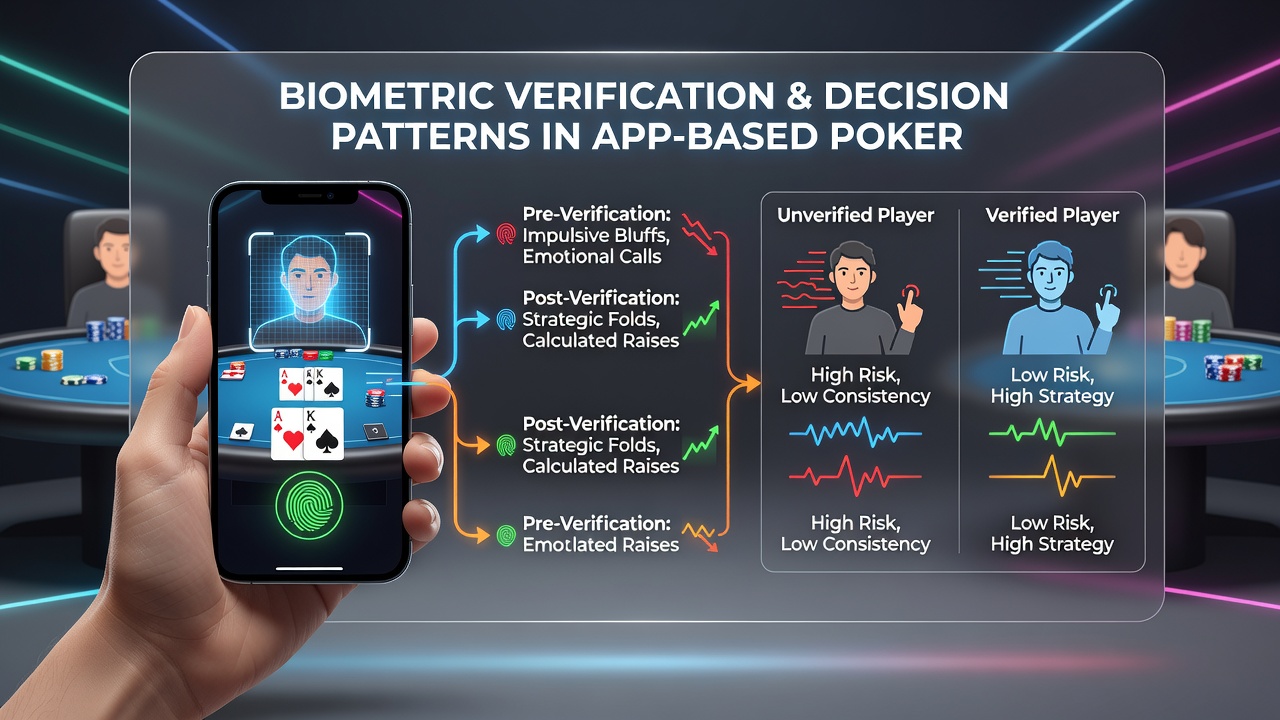
Researchers tracking decision trees in app environments discovered that verified players exhibit steadier continuation betting frequencies across multiple streets, whereas unverified accounts show more variance tied to session length. The authentication step functions as a natural reset that interrupts tilt sequences, and players who pause for verification often return with clearer assessments of pot odds and implied odds. Tournament organizers have noted these behavioral adjustments in post-event reviews, where overall hand histories reflect more disciplined play once biometrics become standard.
Regional Variations and Platform Comparisons
North American operators implemented biometric requirements faster than some international counterparts, partly due to state-level gaming commissions pushing for enhanced player protections, and Canadian provincial regulators followed similar paths that encouraged cross-border app developers to standardize their verification flows. In contrast, certain Asian markets adopted hybrid models combining biometrics with traditional two-factor methods, resulting in slightly different decision pattern outcomes where verification fatigue occasionally appears in longer tournaments. Data aggregated from these regions shows that shorter verification cycles preserve decision momentum better than extended scans, and platforms continue refining their algorithms to minimize disruption.
Academic papers published in 2025 examined correlations between authentication frequency and bankroll management choices, revealing that players subject to more frequent biometric checks tend to set stricter stop-loss limits within app interfaces. These findings align with broader observations from gaming analytics firms that link security friction to more deliberate financial decisions during extended play periods.
Conclusion
Biometric verification continues to reshape decision patterns in app-based poker tournaments by introducing structured pauses and reinforcing identity accountability, and platform data through June 2026 demonstrates consistent shifts toward measured aggression and steadier strategy adherence. Regulatory frameworks from multiple jurisdictions drive these implementations, while research from academic and industry sources documents the resulting behavioral adjustments without attributing them to changes in underlying game mechanics. As verification technology evolves, tournament environments will likely see further refinements that balance security needs with seamless gameplay flow.