Examining Correlations Between Digital Payment Security Features and Prolonged Engagement in Strategy-Driven Casino Activities
Leon Braun · Jun 4, 2026
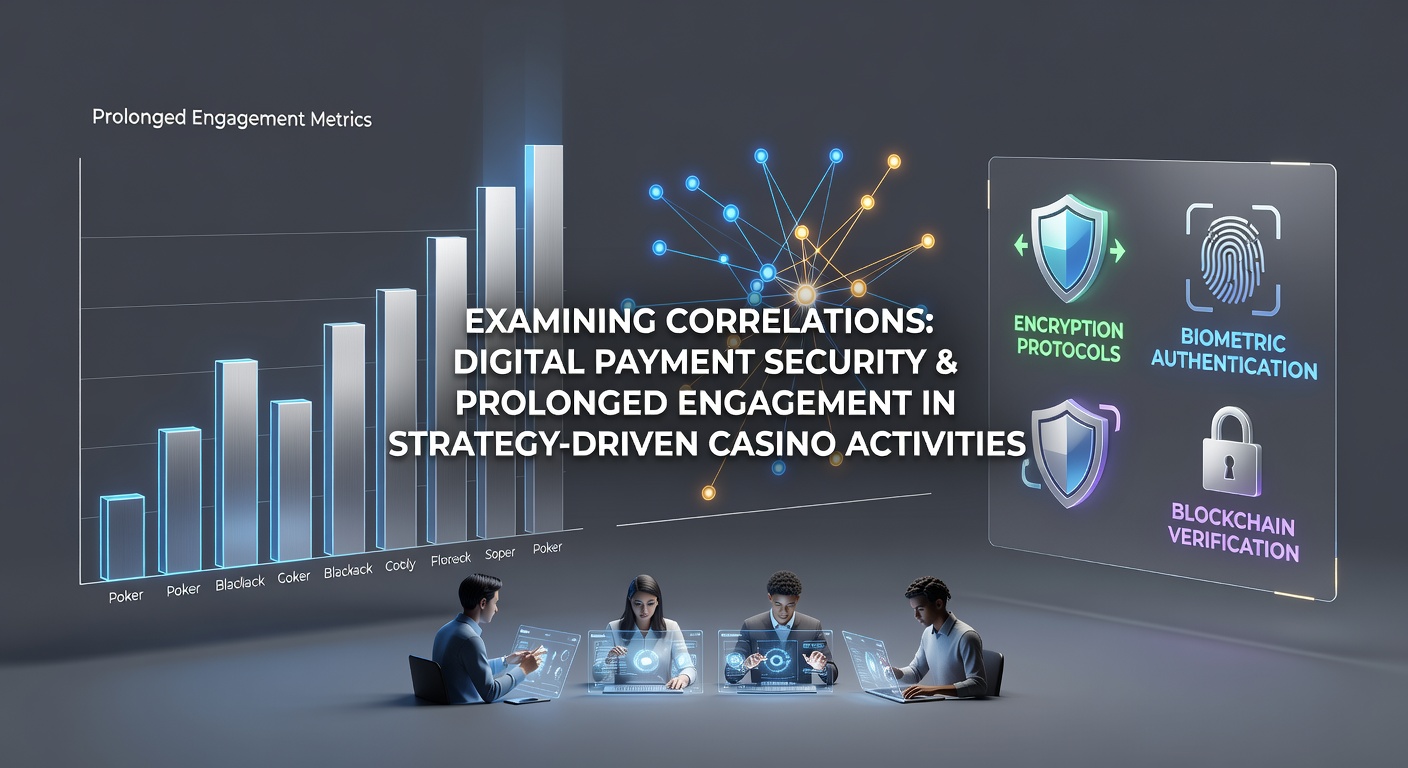
Examining Correlations Between Digital Payment Security Features and Prolonged Engagement in Strategy-Driven Casino Activities
Security measures embedded in digital payment systems have drawn attention from analysts tracking user behavior across online gaming platforms, particularly those centered on games that reward calculated decisions like poker variants and blackjack tables. Researchers have begun mapping how elements such as end-to-end encryption, multi-factor authentication, and real-time fraud monitoring align with extended session lengths among participants who apply systematic approaches to bankroll management.
Data collected through platform analytics in early 2026 shows patterns where accounts protected by advanced verification protocols maintain activity for longer periods during strategic play sequences. Observers note that these features reduce interruptions from transaction reviews, allowing players to focus on probability calculations and opponent reading without frequent pauses for payment confirmations.
Security Protocols and Transaction Flow
Digital wallets integrated into casino applications often incorporate tokenization that replaces card details with unique codes for each transfer. This process supports quicker deposits and withdrawals while maintaining compliance with regional financial standards. In June 2026, updates from several North American operators highlighted expanded use of biometric-linked approvals, which tie directly to user accounts and limit unauthorized access during high-stakes decision points.
Studies from academic institutions in Canada have tracked how these layered protections influence repeat engagement. One analysis examined thousands of sessions across regulated markets and found that accounts with consistent security confirmations logged an average increase in time spent on games requiring sequential choices. The findings suggest smoother fund movements encourage deeper immersion in pattern recognition and risk assessment activities.
Patterns in Strategy-Based Participation
Engagement metrics reveal distinctions between casual spinning activities and those involving deliberate hand selection or betting progressions. Participants in the latter category tend to monitor transaction histories more closely because each move carries cumulative implications for overall position. Secure payment gateways that provide instant balance updates help maintain this focus, as players adjust stakes based on current holdings without delays from pending verifications.
Industry reports from Australian regulatory bodies indicate similar trends in markets where digital transfers dominate. When authentication steps occur seamlessly in the background, session durations extend notably during tournaments or table games that span multiple rounds. Those who study these environments point to reduced friction in moving smaller increments as a factor supporting sustained strategic testing.

Quantitative Links from Recent Observations
Platform operators have shared aggregated figures that connect security adoption rates with retention in skill-oriented sections. Accounts utilizing full encryption suites alongside behavioral monitoring displayed higher completion rates for extended play cycles through the first half of 2026. European research groups have cross-referenced similar datasets and observed parallel outcomes where fraud detection tools operated without user-facing interruptions.
What's interesting is how these correlations hold across different regulatory frameworks. For instance, comparisons between U.S. state-licensed environments and international counterparts show consistent associations between reliable payout mechanisms and continued involvement in games that reward memory of prior outcomes. American Gaming Association reports detail transaction volumes that support this view through volume-based indicators rather than isolated anecdotes.
Regional Variations and Platform Adaptations
Adaptations in payment infrastructure vary by jurisdiction yet converge on the same outcome of supporting prolonged sessions. In markets emphasizing responsible play tools, security layers integrate with self-limit features that players activate during strategic sequences. This combination allows individuals to track spending against planned bankroll divisions without exiting the interface repeatedly.
Observers tracking June 2026 activity noted increased deployment of AI-assisted verification that flags anomalies in real time. Such systems preserve flow for verified users while maintaining oversight, which aligns with longer dwell times in sections dedicated to multi-hand or multi-table formats. Research institutions in Asia have contributed parallel data sets confirming that transaction reliability influences how often users return to refine their approaches.
Conclusion
Evidence gathered across multiple regions points to measurable ties between robust digital payment safeguards and extended participation in casino formats that emphasize strategy. As operators refine these tools, the resulting stability appears to facilitate deeper engagement cycles without introducing additional barriers. Continued monitoring of these dynamics will likely shape future platform designs focused on both security and sustained user interaction.