Entry Incentives Steering Focus Toward Skill Elements in Portable Card and Wheel Formats While Supporting Limit Adherence
Freya Weber · Aug 27, 2026

Entry Incentives Steering Focus Toward Skill Elements in Portable Card and Wheel Formats While Supporting Limit Adherence
Data from mobile gaming platforms indicates that entry incentives such as deposit matches and free credit bundles now incorporate skill-focused modules for card games like blackjack and poker alongside wheel formats including roulette, and these structures tie directly to tools that prompt users to establish session limits at the outset. Observers note that as of August 2026, several operators have adjusted their onboarding sequences so that new accounts receive guided practice rounds emphasizing probability calculations and bankroll segmentation before any real-money play begins.
Mechanics of Incentive Integration in Portable Formats
Portable card and wheel applications deliver entry incentives through structured welcome packages that unlock incremental rewards only after users complete interactive tutorials on hand odds, wheel sector probabilities, and variance management, and this approach channels player attention toward decision patterns rather than pure chance outcomes. Research indicates that platforms using these gated incentives report higher completion rates for optional limit-setting screens where participants predefine maximum deposit amounts, loss thresholds, and time caps before accessing bonus funds.
Figures reveal that in the first half of 2026, mobile sessions featuring these combined features averaged longer durations spent in practice environments compared with standard bonus offers lacking skill prompts. Those who have examined platform analytics find that users who engage with probability simulators early tend to activate responsible play toggles at higher rates, and the data links this pattern to reduced deviation from preset limits during subsequent real-money rounds.
Skill Emphasis Across Card and Wheel Categories
Card-based formats benefit from incentive designs that reward accurate strategy choices during tutorial sequences, granting additional spins or credits when users select statistically sound moves in simulated blackjack hands or poker scenarios, while wheel formats integrate similar mechanics through guided bets that highlight expected value calculations on numbered sectors. Evidence suggests that operators implementing these layered incentives observe measurable shifts in user behavior toward repeated practice before live play commences.
One study released in mid-2026 tracked engagement metrics across multiple jurisdictions and found that entry offers requiring skill demonstrations correlated with increased use of in-app calculators for bet sizing, and this held true for both card tables and wheel interfaces. Industry reports from the American Gaming Association show that such features appear more frequently in apps targeting North American markets where regulatory frameworks encourage transparent bonus terms.
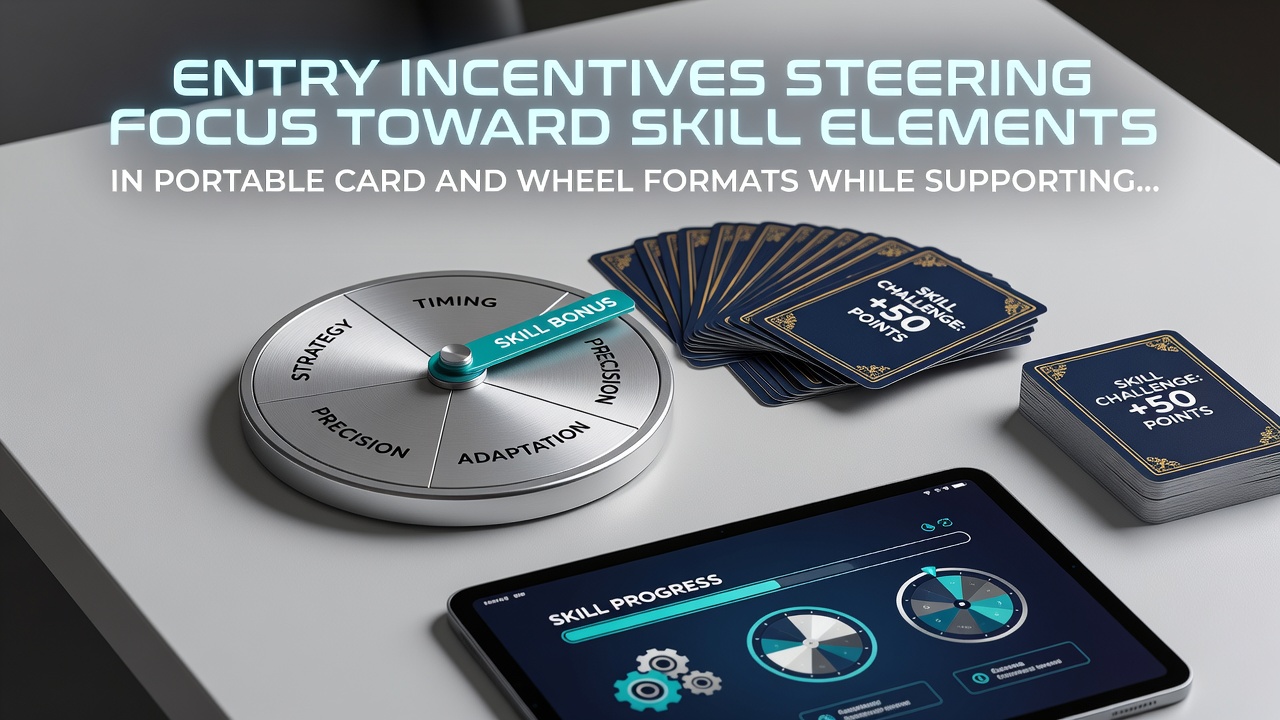
What's interesting is how these incentives often bundle with progress trackers that display historical adherence to chosen limits, and users receive visual summaries of past sessions that highlight instances where skill application aligned with staying within boundaries. Data shows that platforms incorporating these dashboards see repeat engagement from players who review their own metrics before accepting new entry rewards.
Limit Adherence Support Through Structured Rewards
Entry incentives now frequently require users to confirm or adjust limit parameters before bonus activation proceeds, creating a checkpoint that reinforces adherence while still delivering value through skill-oriented content such as strategy charts or simulated decision trees. According to records maintained by the New Jersey Division of Gaming Enforcement, mobile operators licensed in the state have expanded these checkpoints across card and wheel titles, resulting in documented increases in voluntary limit adjustments during the onboarding phase.
Researchers at institutions examining digital gambling patterns note that incentive systems tying rewards to both skill completion and limit confirmation produce distinct usage clusters, and one cluster demonstrates prolonged adherence across multiple sessions. Platforms operating in Canadian provinces have reported parallel trends through data shared by the Responsible Gambling Council, where entry offers emphasizing these dual elements appear alongside educational modules on bankroll pacing.
Turns out that the structure also supports segmented reward releases, releasing portions of an entry incentive only after users maintain their chosen limits over a set number of sessions, and this mechanism applies equally to portable card tables and wheel interfaces. Observers tracking adoption rates find that such phased releases coincide with lower instances of rapid limit increases compared with flat bonus distributions.
Broader Platform Trends in August 2026
Throughout August 2026, mobile gaming operators continue refining entry incentive frameworks to balance skill development with limit tools, and cross-platform data indicates steady growth in the percentage of new accounts that complete both tutorial sequences and limit setups prior to depositing. Industry analyses connect this growth to updated software standards that embed these features directly into the registration flow for card and wheel titles.
Those examining regional differences note variations in how incentives manifest, with some markets prioritizing wheel formats due to higher mobile traffic while others emphasize card games, yet the underlying pattern of skill prompts paired with adherence checkpoints remains consistent across implementations. External reports from academic sources tracking gambling technology further document how these combined elements appear in app updates rolled out during the summer months.
Conclusion
Entry incentives in portable card and wheel formats have evolved to incorporate skill elements and limit adherence mechanisms as interconnected components of the user experience, and available data from regulatory bodies and research organizations shows measurable associations between these designs and user behavior patterns. As platforms update their systems through the remainder of 2026, the integration continues to center on structured onboarding that guides participants through probability concepts while prompting early establishment of session parameters.