Analyzing Links Between Transaction Security Measures and Participation Patterns in Smartphone Enabled Gaming Scenarios
Sage Klein · Jul 30, 2026
Analyzing Links Between Transaction Security Measures and Participation Patterns in Smartphone Enabled Gaming Scenarios
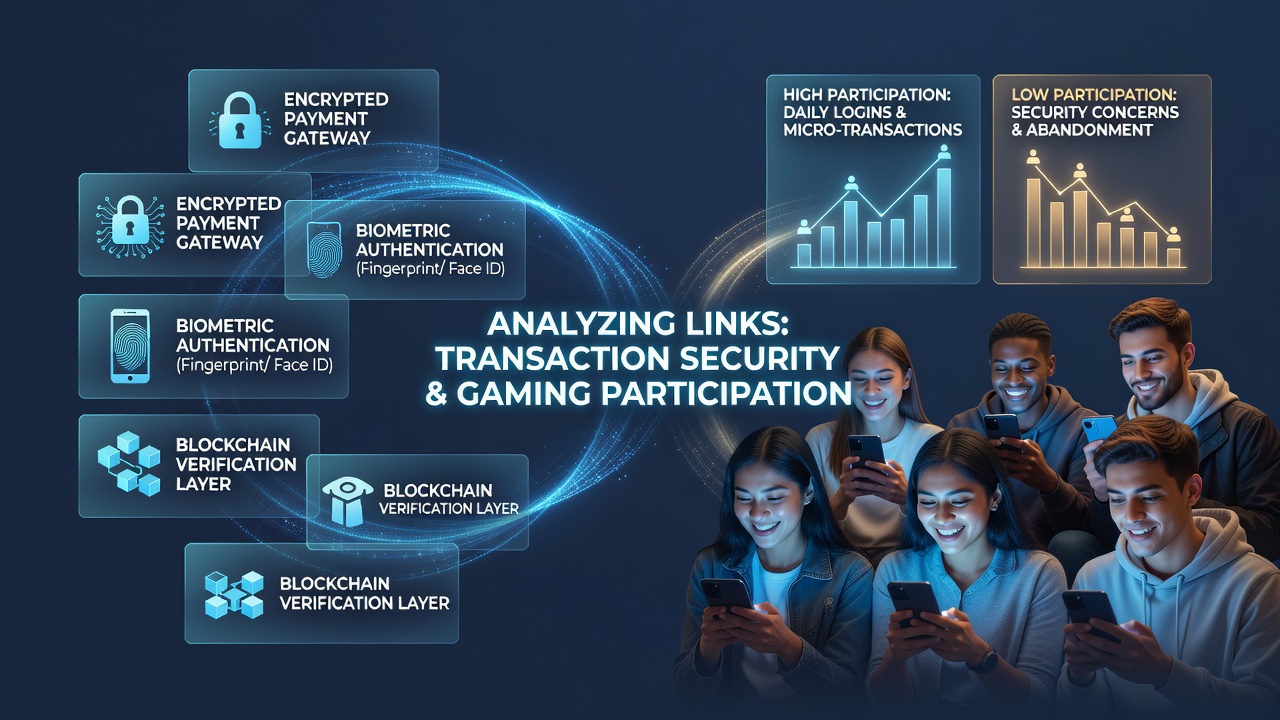
Smartphone enabled gaming has grown rapidly in recent years and researchers continue to examine how transaction security measures influence user participation patterns across various platforms and regions. Data from multiple markets shows that features such as end-to-end encryption, biometric authentication and tokenization often correlate with extended session times and higher frequency of in-app purchases, while platforms without these protections sometimes report elevated dropout rates during payment stages.
Security Protocols in Mobile Gaming Environments
Transaction security in smartphone gaming typically incorporates several layers including SSL/TLS protocols, device fingerprinting and multi-factor verification, and these elements work together to reduce fraud incidents according to reports from regulatory bodies like the Malta Gaming Authority. Observers note that when platforms implement real-time fraud detection systems, participation metrics such as daily active users and average revenue per user tend to stabilize or increase over time, especially in markets where data privacy regulations have tightened since early 2025.
One study conducted by academic teams in Australia tracked user behavior across 12 mobile gaming applications over an 18-month period and found that apps with visible security badges and instant verification options retained 23 percent more players through their first three months compared to those relying solely on basic password systems. This pattern held across both casual puzzle games and more complex strategy titles, suggesting the link between perceived security and sustained engagement operates independently of game genre.
Participation Trends and Regional Variations
Figures from industry analyses reveal that participation patterns shift noticeably when transaction security upgrades roll out, with users in North American and European markets showing quicker adoption of new payment flows than those in parts of Asia where alternative verification methods remain popular. In July 2026 several major operators introduced enhanced tokenization across their smartphone applications, and subsequent data indicated a measurable uptick in repeat transactions during evening hours when users typically engage in longer sessions.

Researchers tracking these changes point out that seamless security integration reduces friction at checkout points, allowing players to maintain momentum without interrupting their flow, while clunky or delayed verification processes frequently lead to abandoned carts and lower lifetime value calculations. There's this case where a European developer adjusted its biometric login requirements mid-year and saw average session duration rise by nearly 14 minutes within eight weeks, illustrating how small technical adjustments can reshape broader behavioral trends.
Correlations Between Security Features and User Behavior
Evidence suggests that transparent communication about security protocols encourages users to link multiple payment methods, which in turn supports more varied participation patterns such as shorter daily check-ins combined with occasional extended play periods. According to a report issued by the New Jersey Division of Gaming Enforcement, platforms that clearly displayed security certifications experienced fewer chargeback disputes and maintained steadier monthly active user counts through the first half of 2026.
Those who've examined transaction logs across different operating systems note that Android users sometimes respond more positively to additional security prompts than iOS users, possibly due to differences in default system permissions, and this variation influences how developers prioritize feature rollouts. Data indicates that when security updates coincide with promotional events, the combined effect amplifies participation spikes more than either change would produce alone, creating temporary surges that then settle into new baseline levels.
Future Directions in Secure Mobile Gaming
Industry organizations such as the European Gaming and Betting Association have highlighted ongoing work to standardize security benchmarks across borders, which could further clarify how specific measures affect participation in diverse regulatory environments. As smartphone hardware continues to incorporate advanced sensors, opportunities for passwordless authentication expand, and early adopters of these technologies already report smoother transaction flows alongside consistent user retention metrics.
Conclusion
Overall the connections between transaction security measures and participation patterns in smartphone enabled gaming remain an active area of study, with available data pointing to measurable impacts on user retention, session length and transaction frequency across multiple regions and game types. Continued monitoring through 2026 and beyond will likely provide additional insights as both technology and regulatory frameworks evolve.